
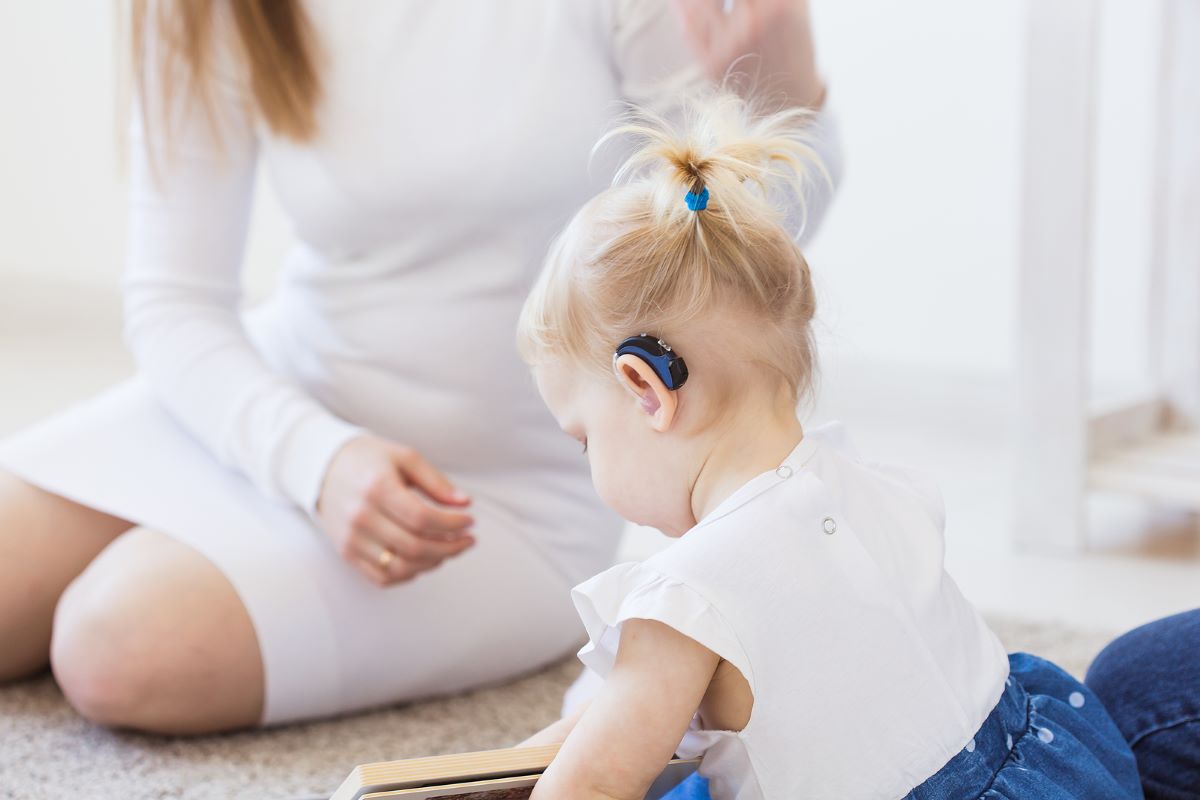
Bringing a child home with new hearing aids marks the beginning of a significant transformation for the entire family. While the technology handles the sound, the emotional and physical adjustment requires a steady hand and a lot of patience from parents. This transition often feels overwhelming because it introduces new routines and specialized equipment into a busy household.
Success depends on creating a space where the child feels comfortable and confident while wearing their devices every day. Parents serve as the primary guides during this process, turning what could be a chore into a natural part of the daily rhythm.
Making Equipment Part of the Family
New devices often feel like foreign objects to a young child who is used to silence or muffled sounds. Parents can help by treating the hearing aids with the same casual attitude as a pair of shoes or a favorite hat. When the child sees that their caregivers are comfortable handling the delicate pieces, their own anxiety starts to fade away.
It helps to designate a specific colorful container for storage so the child knows exactly where their tools live at night. Consistency in how the family discusses the technology prevents the child from feeling different or isolated from their peers.
Managing the New World of Sound
The sudden influx of noise can actually be quite startling for a child who has lived in a quieter environment. Common household sounds like a humming refrigerator or a barking dog might seem incredibly loud and even scary at first. Parents should monitor the surroundings and offer quiet breaks in a soft room if the child appears overstimulated or tired.
Gradually increasing the time spent in noisier places allows the brain to map out these new signals without causing unnecessary stress. Keeping the initial days calm helps the child build a positive association with their improved ability to hear.
Turning Maintenance Into a Shared Habit
Daily checks ensure the devices work perfectly, but these moments also offer a chance for bonding and education. Instead of performing the cleaning in private, parents can involve the child by explaining what each part does in simple terms. This involvement builds a sense of ownership and responsibility that will serve the child well as they grow older and more independent.
Small kids often enjoy picking out colorful stickers or charms to personalize their earmolds and make the gear feel like a fun accessory. When the child takes pride in their hearing aids, they are much more likely to keep them on.
Handling the Resistance with Grace
Most children will try to pull their hearing aids out at least once or twice during the first few weeks of wear. Parents need to stay calm and firm when this happens rather than showing frustration or getting into a power struggle. Soft headbands or clips can keep the devices secure, so they do not get lost or damaged during active play.
If the child continues to resist, it might mean the earmold is uncomfortable, or the settings need a slight adjustment. Listening to the child’s non-verbal cues provides the best map for navigating these occasional bumps in the road.
Focusing on Clear Communication Habits
Good hearing involves more than just wearing a piece of technology; it requires everyone in the house to change how they speak. Parents should always make sure they have the child’s attention before starting a conversation to ensure the message gets through clearly. Standing in the same room and facing the child directly makes it much easier for them to process speech and pick up on visual cues.
Background noise from the television or a loud fan should be minimized during important discussions or story time. These small adjustments to the environment make a massive difference in how well the child integrates into family life.
Better Hearing Success for Your Child
Watching your child struggle with their hearing can feel overwhelming, and Hear Joy Audiology is here to help. If those devices aren’t providing the clarity they once did or if something just feels off, please reach out to us.
We’ll fine-tune the technology and offer the personal support your family needs to move forward confidently. Let’s work together to ensure your child never misses a moment or a single “I love you.” Contact our clinic today to schedule a checkup; we’re ready to help your little learner truly thrive and connect.