Pediatric Audiology
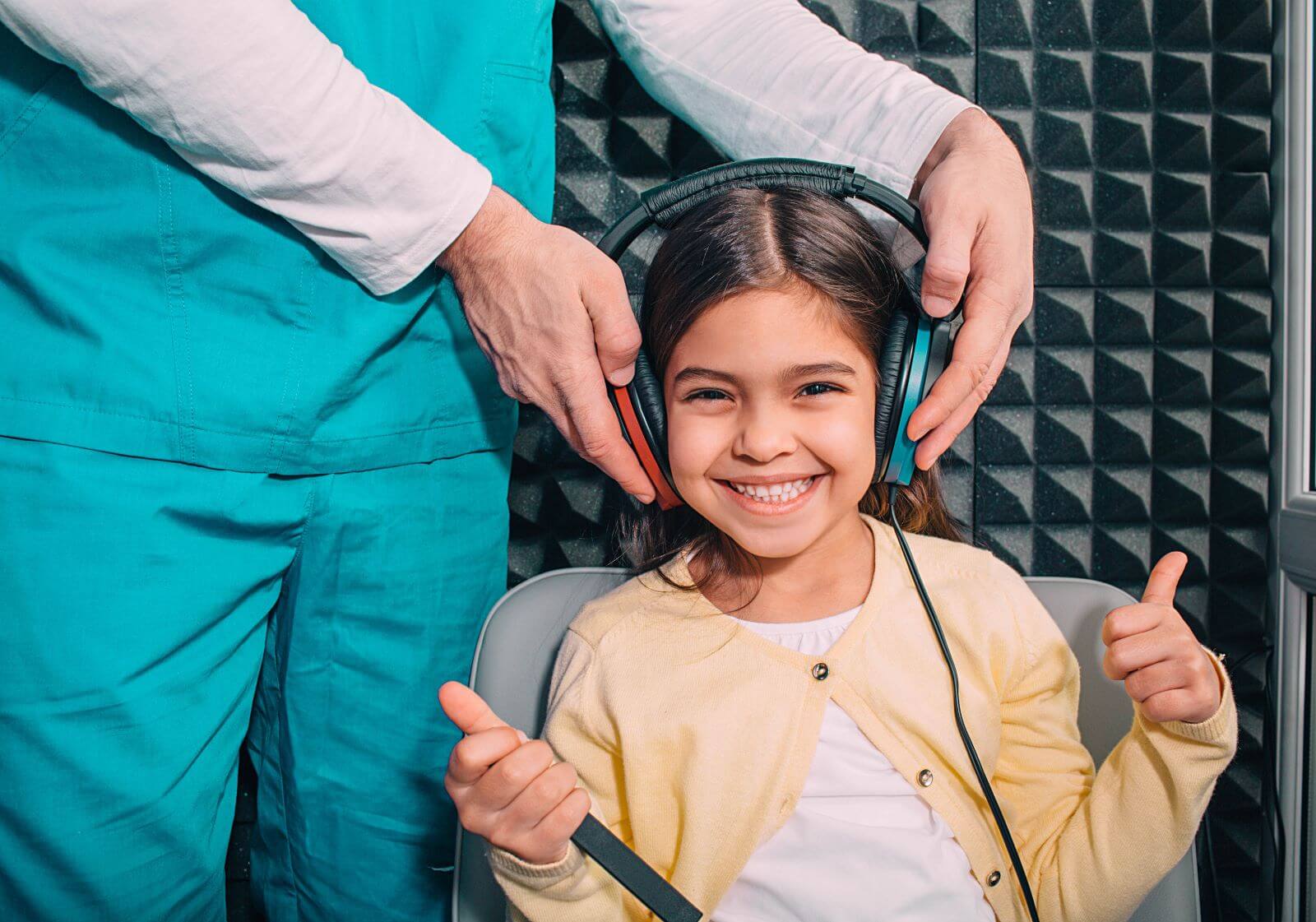
Pediatric Hearing Testing
Dr. Rancourt and Dr. Gehm are thrilled to welcome babies and preschoolers to our permanent Sutton office! Our space is fully equipped with a large sound booth and all the specialized pediatric equipment needed to care for our youngest patients.
We are delighted to welcome little ones back to our "listening room" and can test children as young as 6 months old. Our audiologists have already had a blast toy shopping! We are also fully equipped to test school-age children, and we are actively performing all hearing aid work, evaluations, and fittings. Additionally, we gladly accept audiological reports from our colleagues at outside facilities to proceed with your child's hearing devices without any delay.
To read more about the tests we perform:
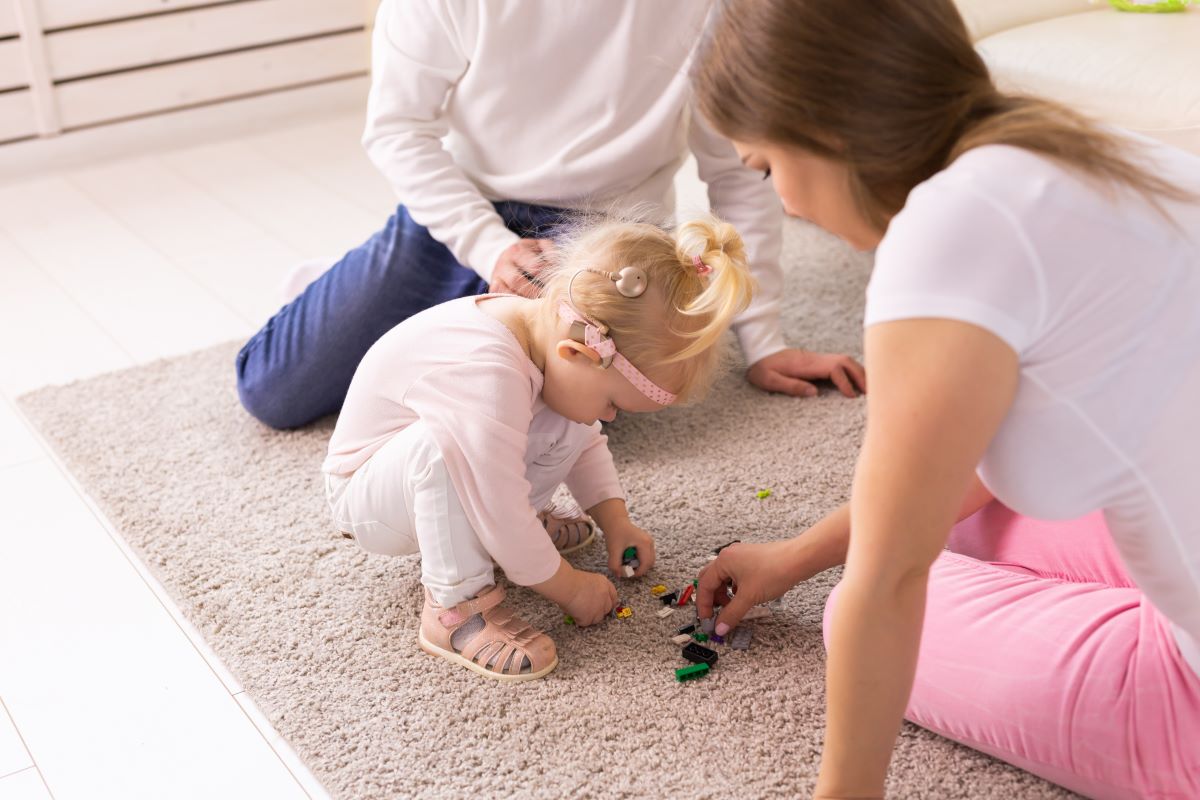
Hearing Devices: What to Expect
We are able to fit babies and children with hearing aids using audiological reports from our colleagues at other facilities. We would meet with you to review the results, discuss options and take ear impressions. Once the hearing aids and earmolds arrive from the lab, we have the child and parent(s) come in for the fitting. We fit the aids, check they are working appropriately and send you out for a couple of weeks. Real ear measures are performed. We give you questionnaires, 1 copy for the parent and 1 for early interventionist/speech language pathologist/teacher of the deaf/educational audiologist to complete. At the follow up visit, we review questions and see how the child is progressing. Young children outgrow their earmolds and they need to be checked and replaced as they grow. Newborns, this is every few weeks, gradually slowing, typically reaching adult size about age 13. We see the child at regular intervals to ensure proper function. We work with your child’s team to reach the best communication outcomes possible. For additional information about this process
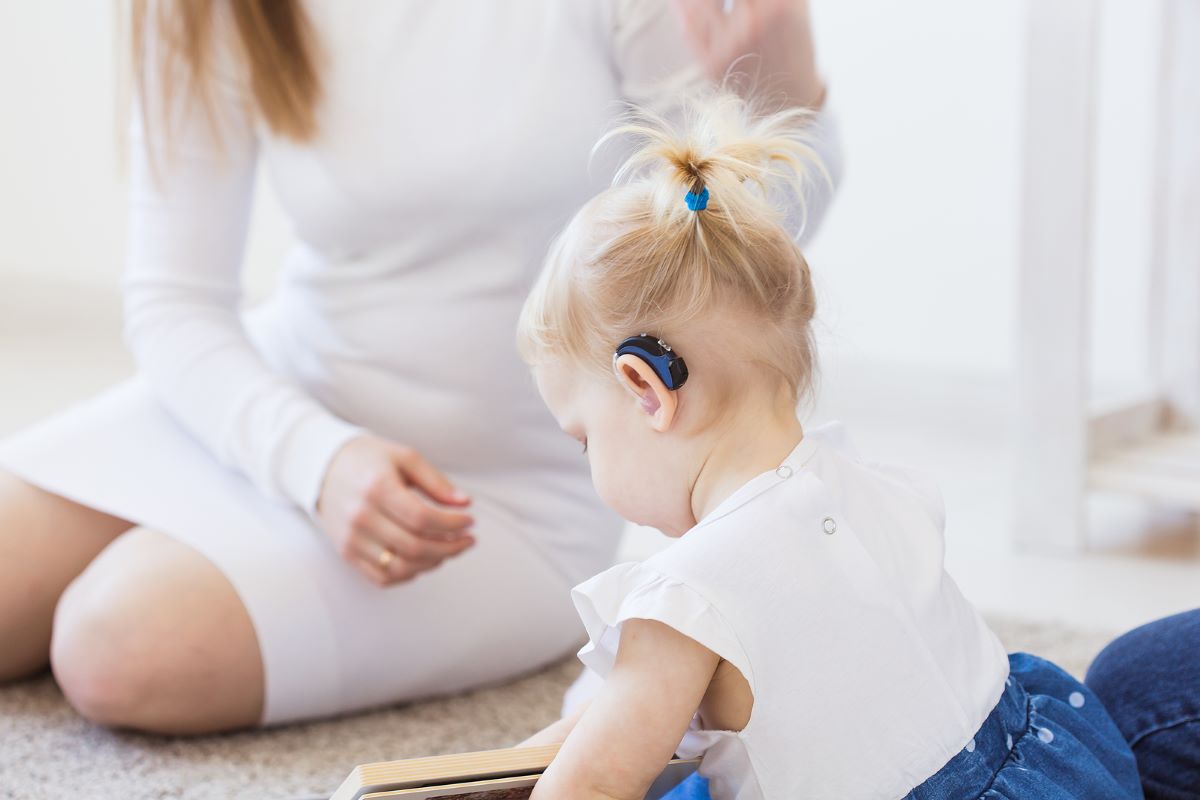
Keeping Hearing Devices on Your Baby
Babies learn best in a natural progression and by fitting them with devices as soon as possible, they can maintain that natural progression. Making the devices part of their daily routine before they find their ears and the devices makes the curiosity stage much easier.
Dizziness in Children
Many children with permanent (cochlear) hearing loss also have problems with the balance part of their ears. These problems are likely to present differently in children than they do with adults.