
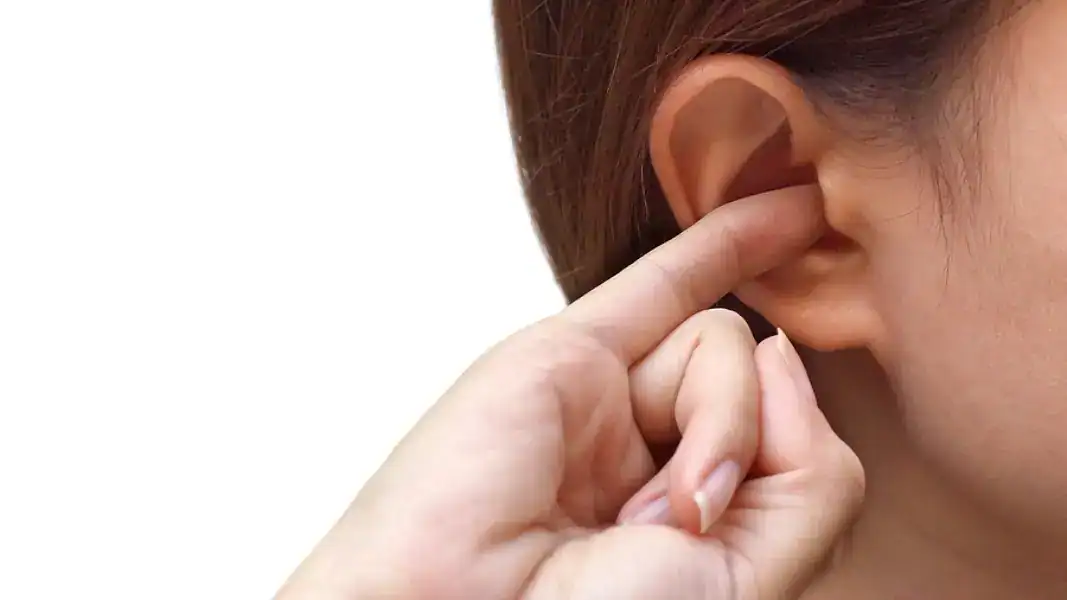
Most individuals assume earwax should be cleaned immediately, as it is often considered unclean or unneeded. However, earwax has a purpose, and removing too much might be harmful. While a clean ear canal is satisfying, using cotton swabs or cleaning equipment too much might cause greater pain than the wax.
Cerumen, or earwax, is a natural aspect of ear self-cleaning. It traps dust and debris before they can enter the ear canal. Earwax also fights bacteria and moisturizes the ear canal. Losing this natural defensive system can cause ear discomfort, dryness, and infections.
The Purpose Behind That Sticky Wax
The body produces earwax for a purpose; earwax protects the ear canal like a shield. This barrier keeps dirt, bacteria, and other intruders away from the eardrum and prevents them from reaching it.
It also has another important function. Earwax helps keep the ear canal skin smooth and nourished. Without enough wax, the subject’s skin can dry, break, and itch. The itching caused by regular irritation can lead to more extensive cleaning, which can worsen the issue. In some cases, dry ears increase the risk of infection.
Dry, Itchy, and Sore
When too much wax is removed, the detrimental effects start immediately. Itching is one of the most common complaints. Dry ear canals can be uncomfortable. When earwax fails, the ear canal becomes dry. Some people may also have a feeling of tightness in the ear canal or flaky skin. This doesn’t apply to everyone.
In more severe cases, over-cleaning can cause small abrasions inside the canal. These tiny cuts can allow bacteria to enter, which increases the risk of outer ear infections, also known as swimmer’s ear. These infections can be painful and may require prescription medication to clear up. And it all begins with trying to be a little too clean.
Earwax and Hearing
Regardless of what people think, the removal of wax doesn’t necessarily help hearing. Too much wax removal might inflame or swell the ear and affect sound. In certain circumstances, over-cleaning can drive small particles of wax deeper into the canal and create an impaction that inhibits hearing even more.
There’s also a myth that wax-free ears work best. A small layer of wax is healthy and normal. Without considerable buildup or plugging, it doesn’t block hearing. Usually, the ears balance themselves. Talking or chewing moves old wax outward, where it falls off or is washed off in a shower.
When Cleaning Does More Harm Than Good
Cotton swabs and other small tools are used to clean ears. Even while it seems innocent, this behavior can backfire swiftly. Instead of removing wax, these items push it in, leading to a blockage that’s hard to reach without professional intervention.
The inner ear skin is delicate. Even gentle prodding can induce microtears, which may not be felt but might exacerbate inflammation or infection. Some people get chronic ear irritation or ringing from frequent cleaning; this pattern is hard to break. The more irritation increases, the more likely it is to want to clean again.
Healthy Ears Don’t Need Much Help
The ears are designed to clean themselves. Earwax should be left alone until it causes pain, blockage, or hearing problems. Cleaning the outer ear with a soft cloth during a shower is usually enough. The inner canal usually needs no help.
Earwax buildup and pain can be treated safely. Over-the-counter or professional ear drops can soften wax for spontaneous expulsion. A hearing health professional may use modest suction or irrigation to remove hardened wax without damaging the canal. These methods provide alleviation and preserve the ear’s natural defenses.
Takeaway and When to Seek Help
It’s normal to want to remove earwax, but remember that removing too much of this natural barrier can cause more problems than it solves. Dryness, discomfort, infection, and hearing issues all come from over-cleaning. Instead of reaching for a cotton swab, it’s a great idea to allow the ears to function as they should.
If you have chronic pain, muted hearing, or infection symptoms, including pain or discharge, seek expert help. With professional help, excess wax can be removed without compromising ear protection. Make an appointment with a hearing health professional for comfort and ear health.